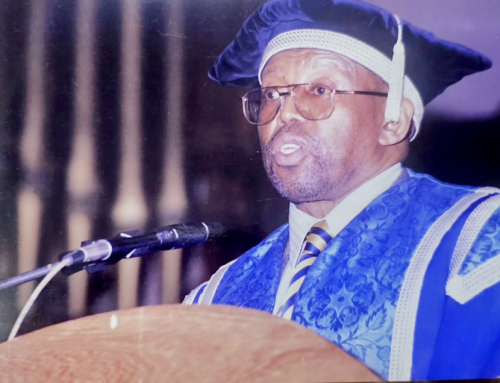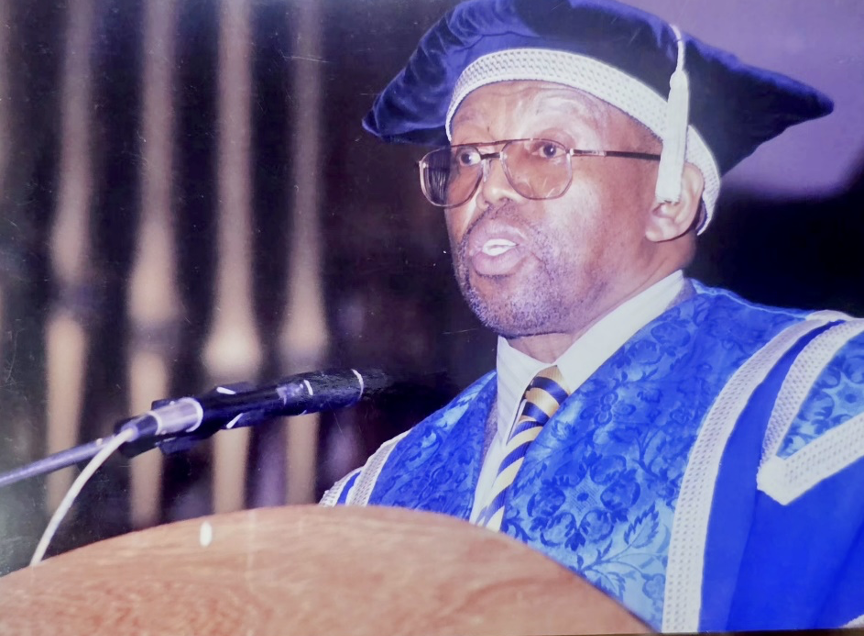

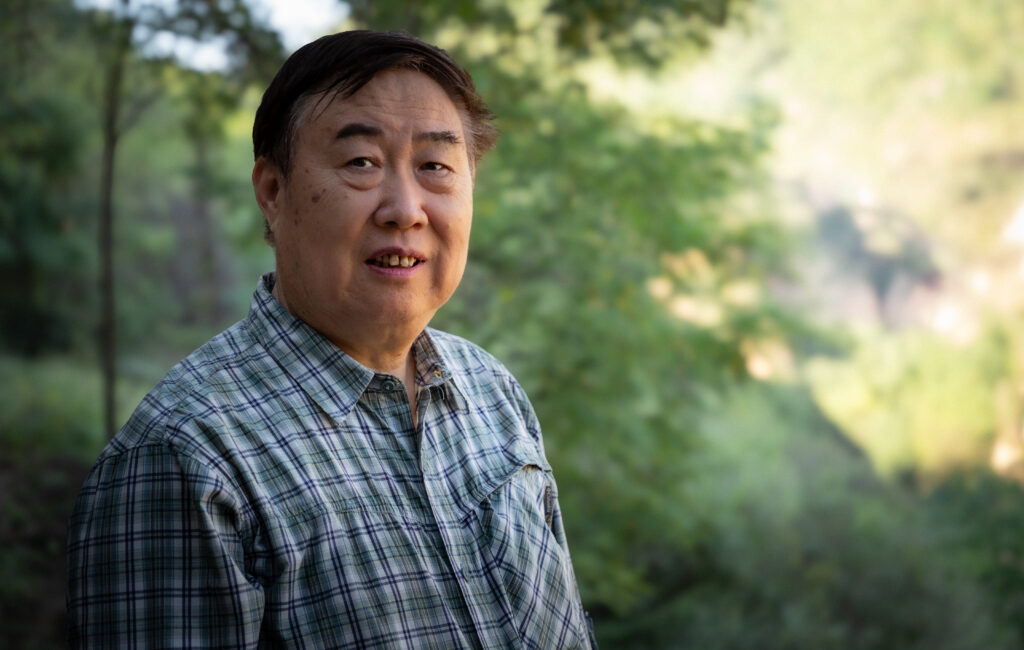
Academician Fu Bojie, who only recently completed 8 years of service as IGU Vice-President, has been awarded the 2026 Volvo Environment Prize. The Volvo Environmental Award was founded by the Volvo Group with a donation in 1988; it received its first award in 1990 and is one of the most influential and prestigious awards in the field of international environmental science and sustainable development。Often referred to as the “Nobel Prize” in the field of environment and sustainable development, this award recognizes individuals who have made outstanding scientific discoveries and innovative contributions in that area. The formal announcement is here: https://www.environment-prize.com/
The jury of the Volvo Environment Prize highly recognizes Academician Fu’s pioneering contributions to the science of socio-ecological systems and sustainability and his ability to link local ecological restoration to global sustainability. The review committee noted in particular the work of academician Fu in the Loess Plateau and other arid areas, It has set an example for similar ecological restoration projects and policy developments in countries of the global South, and has become a global pioneer in landscape-scale socio-ecological restorations, contributing to a science-based path to improved human well-being and the post-2030 sustainable development agenda.
Fu is a Professor of Geography and Landscape Ecology at the Research Center for Eco-Environmental Sciences, Chinese Academy of Sciences. He and his research team revealed both the potential and the risks of ecological restoration. More vegetation can hold soil in place, capture carbon, and revive biodiversity—but planting the wrong species, or planting too densely, can deepen water scarcity and threaten the long-term survival of the restored landscape.
One major obstacle to restoration was resistance from farmers who feared for their livelihoods if they could no longer keep livestock or cultivate the land as before. The national project, dubbed Grain for Green, helped overcome this resistance by compensating local communities and farmers. The Loess Plateau is now widely cited as an example for dryland regions facing erosion, water scarcity, poverty, food insecurity, and climate change.
The plateau’s revitalization was neither simple nor swift. It was a complex, long-term undertaking involving local communities, government agencies, researchers, and international partners. Early demonstration projects received World Bank funding, while the Chinese government financed most subsequent investment.
The work also required sustained political and financial support, ongoing scientific monitoring, and changes in approach when evidence showed established methods were not working.
Fu’s research shows how scientific evidence can translate restoration goals into durable environmental gains in heavily degraded landscapes.
With acknowledgement to the Volvo Environment Prize for the image and extracts of their announcement text